4 Times When Traditional Back Surgery May Be Preferred To Minimally Invasive Surgery
Category: Spine Surgery | Author: Stefano Sinicropi | Date: July 14, 2025
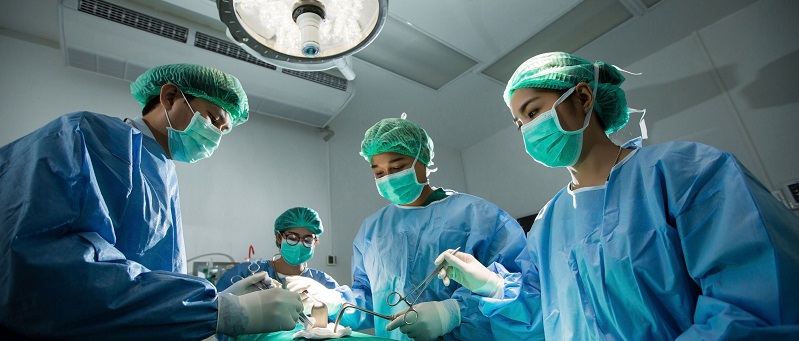
If everything was equal, spine surgeons would recommend that a minimally invasive surgical technique be used to carry out a spinal procedure. As we’ve discussed on our blog numerous times, minimally invasive spine surgery has become the preferred procedure for a number of different spinal issues. Not only is a minimally invasive procedure less taxing on the patient, but it also helps to cut down on certain surgery-related risks, like nerve damage or blood loss.
However, things are rarely ever equal in the medical world, so minimally invasive surgery isn’t always the best way to perform an operation. In today’s blog, we spotlight four instances where a traditional open procedure may be recommended by your treating physician.
When Would Open Spine Surgery Be Preferred To Minimally Invasive Surgery?
Your treating physician will be able to go over the benefits and risks associated with both techniques given your unique scenario, but if you’re dealing with any of these four issues, don’t be surprised if the more invasive traditional technique is recommended:
- Major Spinal Deformity – If there is a major defect in the spine, it may be easier for the surgeon to address the totality of the issue and ensure the correct placement of any specific spinal hardware if a larger incision is made to better visualize the area, which occurs with the traditional open technique. For example, a condition like scoliosis or kyphosis may be best managed with traditional open surgery.
- Multi-Level Spinal Instability – If the problem exists in multiple locations, like across a couple different spinal vertebrae, it again may be easier to address the totality of the issue with the help of an open technique. When the issue isn’t contained to a small area of your spine, better visualization through open surgery may be ideal.
- Significant Trauma – If you are involved in a significant accident with severe trauma, the surgeon will be less concerned with minimizing soft tissue damage as they work to fully care for their patient. Elective surgeries have the benefit of being able to map out a plan and attack it with precision, whereas a major trauma, like from a fall off a roof or in the wake of a car accident, may benefit the patient by ensuring the surgeon can clearly assess and address all of the affected areas.
- Revision Surgery – Finally, if you suffered a setback after an original surgery, or the original operation didn’t end up addressing your underlying issue, it may be best to go with a larger incision to ensure the area can be more properly managed.
Minimally invasive spine surgery is more challenging for the physician because they don’t have the benefit or direct spinal visualization like they do with the open technique, so patients with larger or more complex trauma may need the traditional open operation. We would love to minimize the trauma on your spine and help the healing process along, but at the end of the day we need to do what gives you the best chance at the strongest recovery, and that may not be possible with minimally invasive techniques.
To learn more about traditional spine surgery or how minimally invasive techniques are oftentimes used during elective spine surgeries, reach out to Dr. Sinicropi and the team at The Midwest Spine & Brain Institute today at (651) 430-3800.
