5 Smart Meal Planning Tips After Spine Surgery
Category: Spine Surgery | Author: Stefano Sinicropi | Date: October 5, 2026
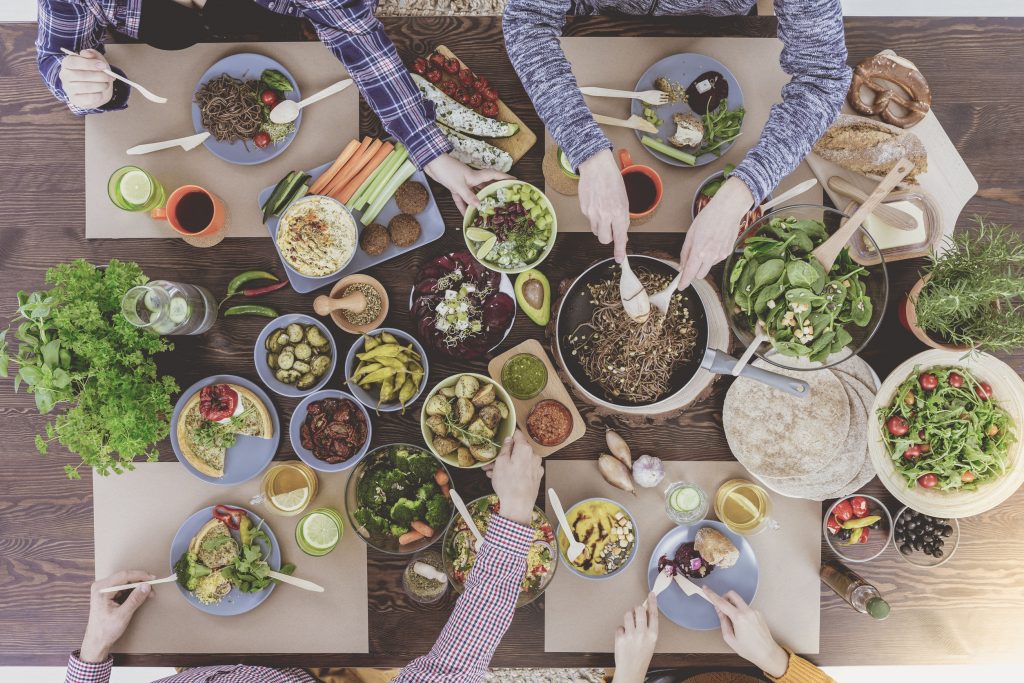
The food that you put in your body in the wake of a back surgery is incredibly important to the wellbeing of your recovering spine. Not only is your body weakened as a result of the surgery and in need of key nutrients to assist with repair processes, but odds are you’ll also be physically limited in the short term, meaning you won’t be burning off calories as easily. If you’re not careful, poor diet can make it more difficult to recover and lead to weight gain, but a smart diet can help move the recovery process along as intended. In today’s blog, we share five meal planning tips if you’ll be undergoing spine surgery in the near future.
Meal Planning After Spine Surgery
Here’s what we tell patients who are hoping to use their nutrient intake as fuel for a strong recovery after spine surgery:
- Prep Before Surgery – Many patients find it helpful to meal prep prior to their surgery. You may be physically limited prior to surgery, but cooking will almost assuredly be a chore in the immediate aftermath of your procedure. Prep some healthy meals ahead of time that you can reheat without much hassle. Moreover, meal planning ahead of time reduces the likelihood that you’ll opt for fast food or high-caloric delivery options after surgery because you’re not up for cooking.
- Plenty Of Lean Proteins – Protein aids in the tissue repair process after surgery, so make sure you are consuming a healthy amount of lean proteins in the days and weeks that follow your operation. Poultry, fish, eggs, kidney beans and tofu are all excellent sources of protein.
- Eat More Small Meals Instead Of Fewer Large Meals – Many patients find that it’s easier on their body to consume more small meals instead of consuming a larger breakfast, lunch and dinner. Eating more small meals will aid in digestion, which may be slowed as a result of your limited activity after surgery. It may also be easier to consume a wider range of foods if you’re eating 4-6 small meals a day, as you can more easily focus on certain nutrient groups throughout the day.
- Find Your Fruits – Fruits are a great nutritional source following a surgical procedure, providing the body with numerous vitamins and minerals. Vitamin C, which is found in healthy doses in many fruits, has been shown to help reduce post-op inflammation in patients. Fruits can be added as a side to any meal, consumed for a snack or blended up in a smoothie to make it easy to get plenty of these foods in your diet each day.
- Get Your Nutrients From Foods If Possible – Nutrient supplements can be helpful for patients who are struggling to get specific nutrients in their diet, but they shouldn’t be viewed as a stand-alone option as a way to ignore a healthy diet. Your body is better at absorbing nutrients from natural food sources, so really try to improve your diet and get these vitamins and minerals from food sources. Supplements can help fill the gaps when needed, but they should not be seen as a substitute for healthy eating.
Use food to help fuel your recovery, not detract from it. If you have questions about post-op diet and nutrition, please don’t be afraid to speak up. Reach out to your spine care provider or Dr. Sinicropi for more information. Give the team at Midwest Spine & Brain Institute today at (651) 430-3800.
