Is Your Low Back Pain Tied To Pelvic Floor Issues?
Category: Back Pain | Author: Stefano Sinicropi | Date: November 10, 2026
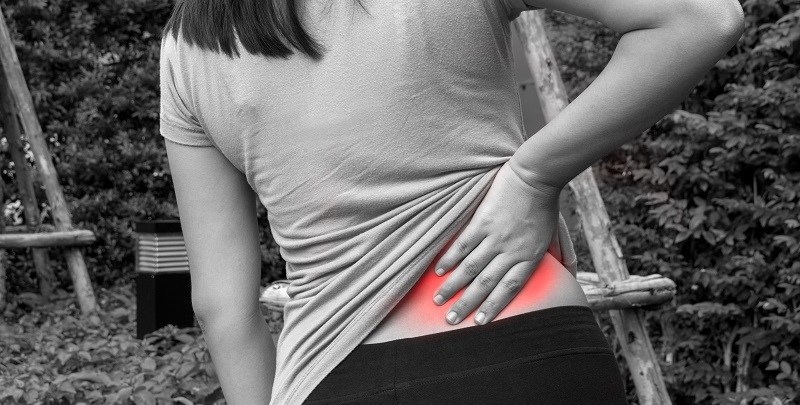
A number of bodily systems help support your spine, and when one of these systems isn’t functioning correctly, it can lead to the onset of back pain. One such system is your pelvic floor. Your pelvic floor muscles are the muscles that support your bladder, uterus, bowels and pelvis, but they also perform other essential functions. They help control urination, regulate bowel movements and assist with certain sexual functions, but these muscles also help to support the lower part of your spine.
If your pelvic floor muscles aren’t working as they should – a condition known as pelvic floor dysfunction – support for your spine can decrease and back pain can develop. Below, we take a closer look at the signs that suggest your back pain may be tied to pelvic floor dysfunction.
Pelvic Floor Dysfunction And Back Pain
When we talk about muscle groups that support the spine, it’s your abdominal or core muscles that get much of the focus, but they aren’t the only muscle groups that aid in spine stabilization. Your pelvic floor muscles work in conjunction with your abdominal and core muscles to provide particular support to your lumbar spine. If something is amiss with your pelvic floor muscles, it can compromise this support, leading to postural changes and the onset of symptoms like pain or discomfort.
But how can you know if your back issue is tied to an issue with your pelvic floor muscles? Your best bet is to connect with a spine specialist in your area who can take a closer look at both systems and see how they relate to one another with the help of a physical exam or imaging results. However, if your back symptoms present with any of the following issues, there’s an increased likelihood that these two matters are connected:
- Urinary leakage or increased demand to urinate
- Constipation
- Bladder or bowel control issues
- Painful or uncomfortable urination
- Painful or uncomfortable sexual intercourse
- Discomfort with prolonged sitting or standing
- A feeling or discomfort or heaviness in the pelvic region
Essentially, if back pain is also presenting with bathroom or intimacy problems, the two conditions are likely linked. Knowing this, you can attack both problems at once.
While treatment will be determined on a case by case basis, the first line of treatment for these situations typically involves physical therapy. PT is a wonderful low-risk option that targets specific muscle groups in the area to help them become stronger and more functional. When these muscle groups are stronger, they can better perform their duties, whether that be bladder control or supporting the spinal column. Improving your exercise habits, especially with programs that work to target your core and your pelvic floor can do wonders.
Pelvic floor muscle issues can affect people of all ages, but it tends to be more common in women who are going through or who have finished menopause, as hormone changes can negatively impact the muscle mass of your pelvic floor muscles. Being proactive and working to keep these muscles strong throughout menopause can help ward off symptoms or treat new issues that arise as you navigate this stage of life.
If you’re looking for more hands-on care to treat spine or pelvic floor concerns, connect with Dr. Sinicropi and the team at Midwest Spine & Brain Institute today. Give our office a call today at (651) 430-3800.
