It’s Not Just Your Posture – Three Additional Factors That Contribute To Neck Pain
Category: Back Pain | Author: Stefano Sinicropi | Date: August 3, 2026
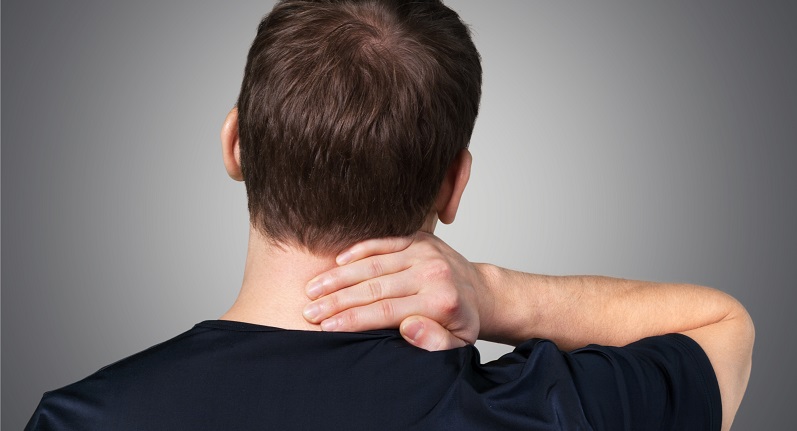
We are seeing more patients dealing with mild and moderate neck pain, and when we’re talking with other specialists, it’s clear we’re not alone. Neck pain seems to be a growing problem in Minnesota and across the country, and oftentimes it’s our posture that is blamed for this discomfort. Yes, having poor head positioning and spinal posture can increase the amount of stress put on the cervical portion of your spine, but neck pain isn’t all about poor posture. There are a number of other issues that can factor into the equation, and if you overlook them, you may have a hard time overcoming your neck discomfort. Below, we spotlight three other factors that commonly contribute to mild to moderate neck pain.
Non-Posture Causes Of Neck Pain
While acute trauma in the form of a fall or a whiplash-inducing car crash can lead to neck pain, we want to focus on some less obvious causes of neck discomfort. Aside from poor posture, here’s three passive causes of neck pain:
- Poor Sleep – The importance of quality sleep for your whole body can’t be understated, and inadequate sleep can also have repercussions for specific areas of your body, like your neck. Studies have shown that poor sleep can do two specific things that can increase your risk of neck pain. First, sleep is essential for tissue recovery, so when you’re not getting enough restful sleep, your body can’t fully recover from the rigors of the previous day. Structures can weaken as a result of inadequate tissue repair. Secondly, poor sleep quality has been linked to increased pain sensitivity. Pain may be more noticeable in your neck because poor quality has made your body hypersensitive to inflammation and discomfort. One of the simplest ways to fight back against neck pain is to make sure you’re getting at least seven hours of restful sleep each night.
- Stress – We’ve said it time and time again on our blog, but mental and emotional stress has a physical impact on our body. Our muscles tense when we’re stressed or agitated, and oftentimes that muscle tension is held in our shoulders, neck and upper back. It’s one of the main reasons that stress can lead to migraines and tension headaches, because the prolonged muscle tension stresses the region. Stress is an inevitable part of our lives, so while it’s easy to say that you should look for ways to decrease sources of stress in your life, a better piece of advice is to find healthy ways to manage it when it develops. Exercise, meditate, do some deep breathing or call a friend and talk about the things that are on your mind. Find ways to ease this stress instead of keeping it bottled up as muscle tension in your body.
- Nutrition – A final aspect that can be helpful or harmful to the health of your neck is your nutritional profile. Consuming a healthy diet can ensure the key structures in your cevical spine get the nutrients they need to remain strong and functional, whereas a poor diet can limit their access to key nutrients, contribute to inflammation onset and lead to weight gain, which can put more stress on your spinal column as a whole. You don’t need to completely rework your diet, especially because radical dietary changes are less likely to stick in the long term, but gradual changes can help your neck get the nutrients it needs to thrive while also helping to keep excess weight off. If you’re struggling to get quality sleep or you’re stressed at work, it’s easy to turn to food as a coping mechanism, but that just makes it harder to escape the cycle of neck pain. Improve your sleep quality, find healthy ways to manage stress and rethink your food choices, and you may find that your neck pain is improving or disappearing altogether.
Keep these factors in mind when attempting to overcome neck pain, and be sure to be mindful about keeping a healthy posture throughout the day. If you’re interested in learning more about your specific neck issue, or you want a professional to take a closer look at your spine, connect with Dr. Sinicropi and the team at Midwest Spine & Brain Institute today at (651) 430-3800.
