Low Back Pain And Foot Numbness – What’s The Connection?
Category: Back Pain | Author: Stefano Sinicropi | Date: July 21, 2026
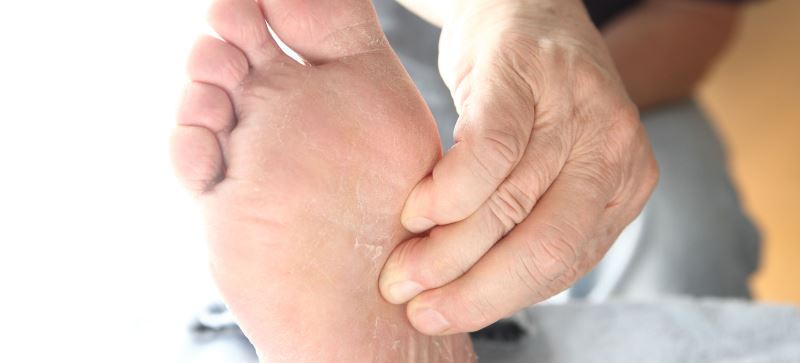
Are you dealing with chronic or occasional numbness in your feet? Are these symptoms paired with sporadic or persistent low back pain? While these symptoms may make each day a little more challenging, there’s also a possibility that the ailments are connected to one another. In today’s blog, we take a closer look at the surprising link between low back pain and foot numbness.
Back Pain And Foot Symptoms
Many people assume that back problems are caused by an issue in the spine and that foot issues are caused by a problem in the feet. However, some conditions can lead to radiating symptoms or cause symptoms to develop in other areas of the body, and it’s especially common with back issues.
That’s because a number of key nerves pass through the spine en route to their final destination elsewhere in the body. Large neural networks pass through your neck and lower back on their way to the extremities, and if one or more of these nerves becomes compressed or irritated, it can lead to downline symptoms.
When it comes to the combined presence of back pain and foot numbness, oftentimes the issues are the result of a condition called spinal stenosis. Spinal stenosis involves a narrowing of the space through which these spinal nerves pass. When they become compressed, damaged or irritated, it can lead to localized or radiating symptoms. One common location for these symptoms to appear is in your feet. For patients with spinal stenosis in their lower back, common symptoms they may experience in their legs and feet include:
- Pain
- Numbness
- A pins-and-needles sensation
- Burning sensation
While spinal stenosis is one of the main spinal issues that can lead to the onset of foot symptoms, other conditions that could produce similar symptoms include herniated discs, bone spurs, spinal tumors or spinal degeneration as a result of osteoarthritis onset.
Treating The Problem
A back problem that’s causing numb or painful feet can be an issue for a number of reasons. For starters, this numbness could make it harder for you to maintain ideal balance and stay upright on your feet. Nerve damage and numbness can also make it harder for you to notice injuries on your feet, and oftentimes these cuts or scrapes are slower to heal, potentially increasing your risk of an infection or other complications. It also tends to make people less active, and there are countless health issues tied to limited mobility and a sedentary life, so if you are experiencing these symptoms, connect with a spine specialist to work towards a solution.
Many patients find it helpful to connect with a specialist or their primary care physician if they are dealing with uncomfortable symptoms in their back and feet because it can be difficult to pinpoint the true source of injury. If you try to treat the problem in your feet but aren’t focused on the actual problem in your back, treatment success will be limited. A doctor can use their expertise and diagnostic imaging tools to pinpoint the true source of discomfort and develop an individualized care plan based on your unique needs and goals.
In most cases, treatment for spinal stenosis, a herniated disc or any other structural compression of a spinal nerve will begin with conservative efforts. In most cases, physical therapy will be the primary focus, but it may be combined with techniques like activity modification, anti-inflammatory medications, gentle stretching, weight loss and low-impact exercise.
Most patients see improvements or a complete alleviation of their symptoms by pursuing these techniques over the course of a number of weeks, but in rare cases, more hands-on care is necessary. When this occurs, your doctor will talk you through your operative options, which may involve a corticosteroid injection, a decompression procedure or a disc fusion. These procedures have a high rate of success, but they also carry more risks, and patients will still be expected to pursue weeks of rehabilitation exercises in order to achieve the best results after the procedure.
Don’t ignore back pain, especially when it presents with symptoms in another area of the body. Work to correct all issues with the help of a skilled spine specialist. In the greater Twin Cities area, we hope you’ll connect with Dr. Sinicropi and the team at Midwest Spine & Brain Institute by calling (651) 430-3800.
