Modic Changes Of The Spinal Vertebrae
Category: Spine | Author: Stefano Sinicropi | Date: June 9, 2026
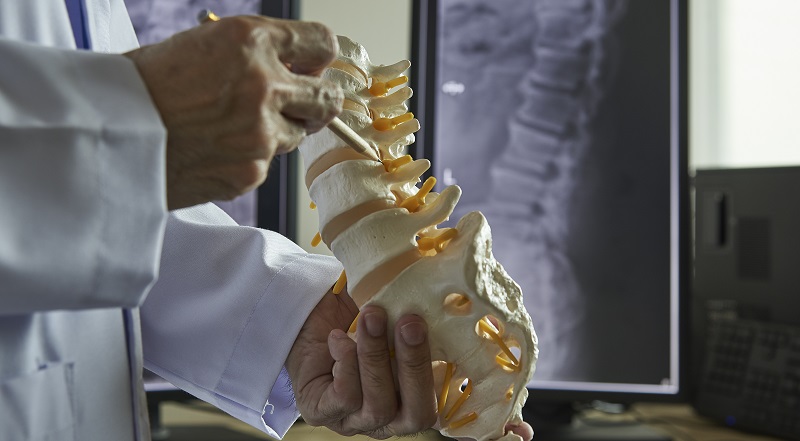
Back pain can develop for a variety of reasons, and one often overlooked cause of back pain is due to what’s known as modic changes in the spine. Modic changes are the result of degenerative changes in the end plates of your spinal vertebrae, and they usually progress through a few different stages as the condition worsens. We take a closer look at modic changes in the spine in today’s blog.
Understanding Modic Changes
To understand modic changes, we first must have a basic grasp of the spinal anatomy. Essentially, the primary components that make up your spinal column are vertebrae and intervertebral discs. A disc sits between each vertebral section, giving our spines more flexibility to move. The areas of the vertebrae that contact these spinal discs are known as the vertebral endplates.
While it’s more common for these intervertebral discs to degenerate, the endplates of the vertebrae can degenerate as well. This phenomenon was first identified in 1988 by Dr. Micharl Modic, hence the classification modic changes. Dr. Modic noted that when an endplate of a vertebra degenerated against a dehydrated intervertebral disc, bone marrow in the endplate could change in one of three different ways. Each change requires different treatment for ideal management.
- Change Type 1 – This change involves bone marrow inflammation and edema (fluid accumulation leading to swelling).
- Change Type 2 – This change involves fatty infiltration. Also known as steatosis, fatty infiltration involves the abnormal accumulation of fat within the bone marrow.
- Change Type 3 – This change is categorized by sclerotic change and a thickening of the vertebral endplate.
Modic changes tend to develop as a result of chronic stress combined with other lifestyle factors, like smoking or being overweight or obese. Poor posture can also contribute to disc and vertebral endplate degeneration. Males, older adults, diabetics and having other spinal issues can increase a person’s risk of experiencing modic changes in the spine.
Modic changes cannot be seen on a standard X-ray, so if your doctor believes modic changes could be behind your symptoms, an MRI will be ordered. If modic changes are determined to be the culprit, your doctor will likely recommend a course of conservative care. Strengthening exercises and physical therapy can help improve the health of your back and take pressure off the vertebral segments. This won’t reverse the degeneration that has already occurred, but it can alleviate symptoms and slow continued progression. Many patients will notice symptom improvement with physical therapy and anti-inflammatory medication, but some patients may require more hands-on care.
For those patients, a nerve ablation procedure may be the perfect solution. In most instances, it is the basivertebral nerve that carries back pain signals from the vertebral endplates to the brain. A minimally invasive procedure can be conducted to insert a radiofrequency probe into the area to heat the basivertebral nerve, inhibiting it from relaying these pain signals to the brain. The procedure is typically conducted on an outpatient basis and can be performed in about an hour. Unlike other spinal nerves, the basivertebral nerve has not been found to be able to regenerate, making it a fairly effective procedure.
If you’re experiencing spinal discomfort and want to learn if modic changes or another type of issue is at play, connect with a doctor who can make a quick and accurate diagnosis. Dr. Sinicropi and the team at Midwest Spine & Brain Institute have the tools to diagnose routine or rare spinal issues. Trust your care to them today by calling (651) 430-3800.
