Puberty, Pregnancy, Menopause – How Hormonal Changes Can Lead To Back Pain
Category: Back Pain | Author: Stefano Sinicropi | Date: July 7, 2025
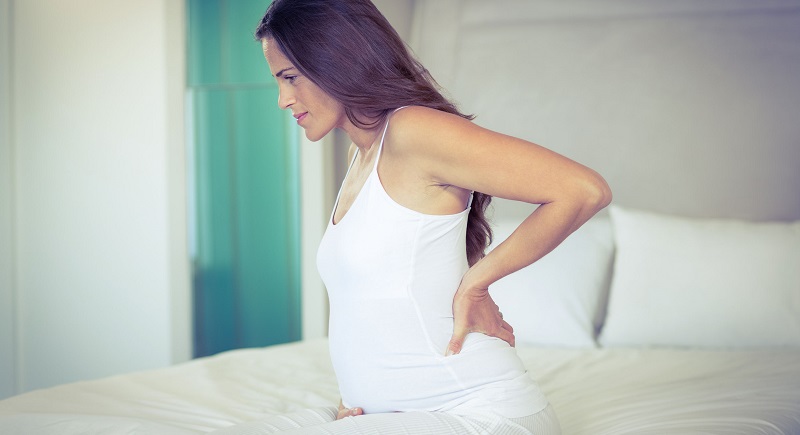
If you’re going through any of the three stages listed in the title of this blog – puberty, pregnancy or menopause – you have enough on your plate without also dealing with back pain. Unfortunately, there’s a decent change that your lifestage is accompanied by back pain due in large part to the hormonal fluctuations you’re undoubtedly going through right now. With that in mind, we want to use today’s blog to shine a light on why hormonal fluctuations can contribute to back pain during puberty, pregnancy and menopause.
Hormonal Fluctuations And Back Pain
Let’s look at three main life stages and explain what’s going on with your hormones and the impact this can have on your spine:
- Puberty – Puberty is one of the biggest and most noticeable changes a person will go through relatively early in their life. It oftentimes involves more significant periods of bone growth and the production of more hormones, both of which can have an impact on your spine health. Spinal muscles and other soft tissues may be strained as they struggle to keep pace with rapid bone growth, and hormonal changes can lead to fluid retention, spinal muscle spasms and cramping in your lower back, all of which can be uncomfortable. The beginning of menstruation can also bring with it discomfort, as the contractions that help to shed the uterine lining can radiate to the lower back, contributing to pain and related symptoms.
- Pregnancy – Back pain is typically the most common complaint we hear from expecting mothers, and rightfully so. Their uterus is expanding and their center of gravity is changing, and all of this will force their spine to take on more stress. Your growing womb can also make it harder to keep your spine in a healthy alignment, so posture problems are only further exacerbated during pregnancy. Expecting mothers may also notice that back pain increases as their delivery day approaches. As the body prepares for delivery, different hormones are produced to help relax muscles and soft tissues in the pelvis region. These hormones make it easier to deliver your baby, but pelvis and core muscles loosening can also contribute to spinal instability, which can lead to symptoms in your lower spine. These hormones typically normalize shortly after birth, but the effects of spinal instability can linger a bit longer, which is why many new moms stand to benefit from some simple core strengthening PT exercises after delivering their child.
- Menopause – Finally, back pain during menopause is incredibly common, so much so that we actually dedicated an entire blog to the subject. You can read more about the specifics of menopause and back pain on that blog, but again the issues are rooted in hormonal changes. A dip in estrogen production during menopause can make it harder for your body to absorb Vitamin D, which is essential for ideal bone health. Effectively, this drop in estrogen production can increase a person’s likelihood of suffering from osteopenia, osteoporosis, spinal stenosis or spinal fractures. Certain medications and an improved diet can help to keep your estrogen and Vitamin D levels at a healthy level as you work your way through menopause.
Minnesota Back Pain Doctor
Hormone production, hormone fluctuation and hormone decreases can all have a major impact on our spine in different ways, so try to provide an ideal environment for your spine during these periods. Eat a healthy diet, get regular exercise, strive to get restful sleep and talk with your doctor about other ways to normalize hormone levels during these tricky times. And of course, if back pain becomes a major issue at any of these stages, connect with a professional like Dr. Sinicropi and the team at The Midwest Spine & Brain Institute. For more information, reach out to our team today at (651) 430-3800.
