Should We Handle “Tech Neck” Like The NFL Handles Concussions?
Category: Spine | Author: Stefano Sinicropi | Date: July 14, 2026
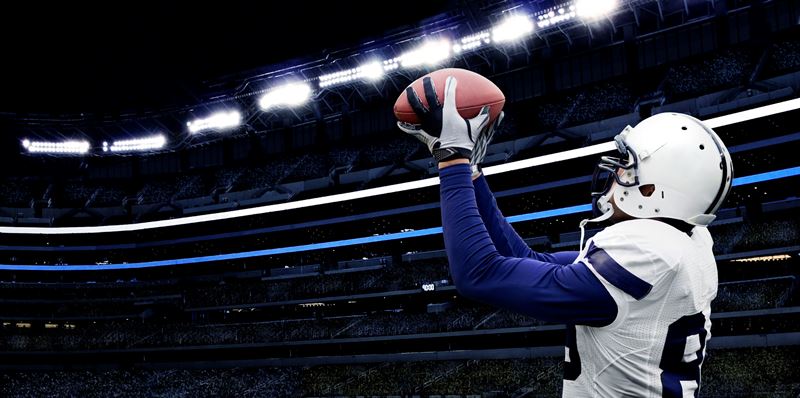
While we’ve always known that football is a particularly rough and sometimes violent game, the National Football League didn’t really begin to place an emphasis on preventing and understanding the effects of concussions until the last 10-15 years. During that time, the league has taken numerous steps to make the game safer and ensure athletes fully recover from head trauma before they step back on the field. Just in the last couple of years, the NFL has:
- Reworked kickoffs to decrease full speed collisions.
- Added independent neurological consultants to the sidelines during games.
- Implemented a five-step recovery protocol that all players diagnosed with a concussion. must pass through before returning to action.
- Improved helmet and padding design.
- Collected real-time collision data using specialised helmet caps to help the league learn more about concussions.
- Invested more than $100 million into concussion research and prevention
Not surprisingly, the NFL has made some major strides when it comes to reducing the number of concussions players suffer each year. Total reported concussions have dipped in recent years, with 219 in 2023, 182 in 2024 and 165 in 2025. The year the NFL changed the kickoff rule, concussions dipped 60% on kickoff plays alone.
We say all this because it shows that understanding the risks and taking measurable steps to prevent concussions appears to be working within a vulnerable group of individuals, and perhaps we should take the same approach when it comes to tech neck in teens.
Teens and Tech Neck
If you’re a young person looking for job security, pursuing a career in neck and spine care should serve you well, especially if the news that many neurosurgeons are reading about comes to fruition. There could be a massive wave of neck issues in the next 20-30 years due in part to our overreliance on technology, particularly our smartphones.
And while people of all ages can become “addicted” to their smartphone or social media, it appears to be a larger problem among teens and young adults. According to one study, upwards of 63% of adolescents display what researchers suggest is “smartphone addiction,” or the need to have constant connection to social media. And when they are on their devices, their heads are usually down and out of alignment with their shoulders rounded or hunched. This position greatly increases the amount of stress on the cervical spine, and over time, this can lead to major issues like cervical disc degeneration, pinched nerves and pain due to segmental instability.
It’s not just teens, either. Epidemiologists suggest that 73% of university students and 64.7% of home-based workers have dealt with neck or back pain. Nearly 40% of them claim to be less productive as a result of this pain. Neck and back issues are already a plague on society, and if even a fraction of the 42 million Americans in Gen Z or Gen Alpha end up with neck issues as a result of their technology use, that will place an immense burden on the healthcare system, not to mention the physical, mental and emotional burden these patients will face as a result of their discomfort.
Education and prevention strategies worked for the NFL, and it’s time we consider the same for young adults and the prospect of tech neck. Similar to how a coach teaches a player how to tackle correctly so as not to put their neck at increased risk of trauma, teachers, parents and educators could offer similar instruction on tech use, the dangers of overreliance on these devices and how to keep healthy posture when using a smartphone. Unless we do something to curb the growing problem, our tech devices will undoubtedly become a pain in our neck. Let’s treat the problem like the NFL has attempted to curb concussions over the last decade. It worked for them, and it can work for the youth of America.
For more stories about neck and spine conditions, click around our blog, and for help with a spine issue of your own, connect with Dr. Sinicropi and the team at Midwest Spine & Brain Institute today at (651) 430-3800.
