The 4 Types Of Back Pain – Treating Inflammatory Back Pain
Category: Back Pain | Author: Stefano Sinicropi | Date: June 16, 2026
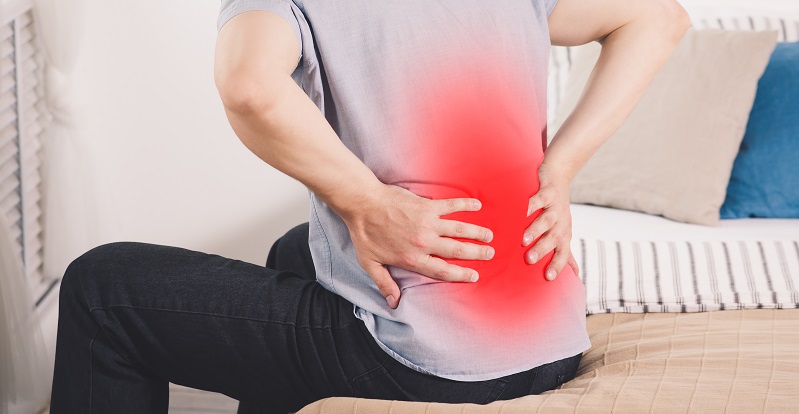
Back pain is generally categorized into one of four types – mechanical, inflammatory, neuropathic and referred. We’re creating a four-part series that takes a closer look at each type of back pain and how it is most commonly treated. We’re going to continue the series by looking at inflammatory back pain and discussing how this common type of back pain can be effectively treated.
What Is Inflammatory Back Pain?
Inflammatory back pain is a type of chronic back pain that is associated with a group of conditions known as spondyloarthritis. This is a type of arthritis that causes inflammation in the spine. Common issues that fall under the category of inflammatory spinal pain include:
- Ankylosing spondylitis – An inflammatory disease that causes the spine to fuse together over time, leading to pain, stiffness, limited mobility and inflammation in the spine.
- Axial Spondylitis – A similar form of inflammatory arthritis in the spine, but it does not involve spine fusing.
- Psoriatic Spondylitis – This condition typically involves inflammation of the sacroiliac joints in your lower spine/pelvis region, leading to pain and stiffness in the lower back.
- Reactive Arthritis – Reactive arthritis occurs when an inflammatory response develops in the spine due to the presence of an infection in another area of the body.
- Enteropathic Arthropathy – An overactive inflammatory response to an immune system disorder like ulcerative colitis or Crohn’s disease can trigger pain and related symptoms in the midsection and spine.
The onset of these inflammatory conditions is less clear than the causes of mechanical back pain, but researchers believe there is a strong genetic component at play, so it’s wise to learn about your family history to know if you may be at a heightened risk for these spinal issues.
Treating Inflammatory Back Pain
Understanding if you’re dealing with mechanical or inflammatory back pain is extremely helpful when it comes to effective treatment. The types of treatment that help mechanical back pain can end up worsening inflammatory back pain symptoms, so if you’re at all confused about what you’re dealing with, sync up with a specialist in your area.
In most instances, confirmed cases of inflammatory back pain will be referred to a rheumatologist. These providers specialize in inflammatory conditions, including spondyloarthritis. They’ll provide an assessment and develop an individualized treatment program that likely includes a combination of:
- Anti-inflammatory medications
- Exercise
- Dietary improvements
- Physical therapy
There is no cure for these inflammatory conditions, but you can significantly reduce your symptoms and improve your quality of life by pairing anti-inflammatory medications with active interventions that strengthen your spine and work to keep it functional. Surgery isn’t usually an option for conditions causing inflammatory back pain because it would only address the fallout, not solve the underlying causes, although it may alleviate symptoms in some rare cases. Most treatment plans focus on day-to-day management and on gradual but long-term improvement in symptoms and functional health. This is most often achieved by getting set up with a care team when symptoms are in their initial stages. The longer you put off treatment, the harder it will be to minimize symptoms.
Stay tuned to our blog for the rest of the series, which includes a deep dive into treatment options for neuropathic and referred spine pain! And as always, connect with Dr. Sinicropi and the team at Midwest Spine & Brain Institute today if you want a professional to take a closer look at your back. Give Dr. Sinicropi a call today at (651) 430-3800.
