Treating Late Stage Osteoporosis Of The Spine
Category: Spine | Author: Stefano Sinicropi | Date: July 23, 2025
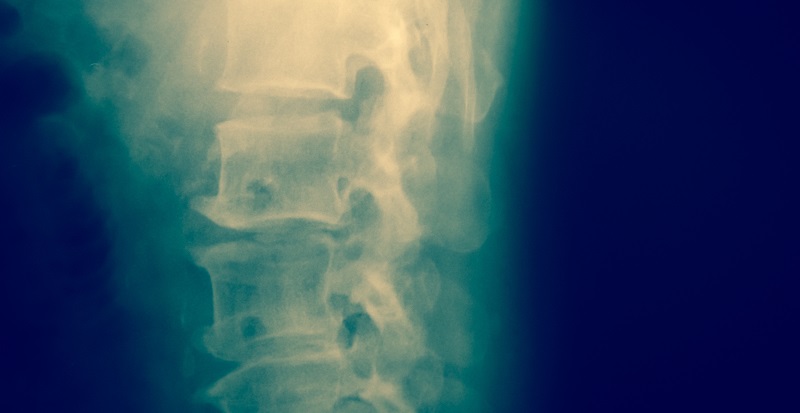
Osteoporosis is a slow developing condition that affects millions of Americans, but because it doesn’t develop overnight, many patients don’t prioritize treatment until the problem is in a more advanced stage. By this time, bone loss is advanced and successful treatment is harder to come by. It’s much preferred to try and address the problem at an earlier stage, but in today’s blog, we shine a light on how late stage spinal osteoporosis is typically treated by a spine specialist.
The Progression Of Spinal Osteoporosis
Before we dive into the treatment aspect, let’s first explore how osteoporosis progresses through different stages as the bone loss worsens. Many providers recognize the condition in four distinct stages:
- Quiet Onset – The first stage of osteoporosis is typically asymptomatic, so you may only notice that you’re dealing with some bone loss if you undergo preventative or diagnostic imaging for a different condition. Some bone loss will be lurking beneath the surface, but you’re really not going to notice much of a difference in your daily life. If you learn of your condition in this stage, it’s still helpful to work to protect and strengthen your bones through diet and exercise, as it can keep your bones from progressing to the next stage as quickly.
- Symptomatic Stage – The next stage is when symptoms first start to rear their ugly head. You may notice a range of symptoms including discomfort or pain, stiffness, tenderness and postural changes. If you’re in this stage, you’re also at an increased risk for a spinal fracture. Because the bone is weaker, it will take less trauma to the bone to cause a fracture. Contact sports, falls or car accidents can all lead to spinal fracture onset in patients with second-stage osteoporosis.
- Advanced Stage – Far too often this is when patients first seek out care from their physician or a spine specialist. By this point, symptoms have progressed from a mild annoyance to a significant issue. Pain and spinal weakness is a near-constant issue, and even milder actions like sneezing or moving incorrectly can lead to a spinal fracture. Movement and overall quality of life is clearly impacted once the condition has reached this stage.
- End Stage – Finally, osteoporosis can progress to the end stage, where symptoms are most severe. The integrity of your spinal complex is severely affected at this stage, and you may have a visibly hunched or crooked appearance. Symptoms are intense and mobility is significantly limited. Not surprisingly, this is also the stage where effective treatment is the hardest to achieve.
Treating Advanced Spinal Osteoporosis
If you’re dealing with advanced or end stage spinal osteoporosis, it’s imperative that you connect with a spine specialist in your area. The sooner that you begin treatment, the more likely it is that you will notice an improvement in your symptoms and mobility. Each patient will be evaluated on an individual basis, but the most common treatment options at this stage typically involve a combination of the following:
- Medications to aid in bone repair and bone density
- Physical therapy to expand flexibility and comfortable range of motion
- Improvements in diet, exercise and weight management
- Pain management therapy
- Surgery to address fractures or stabilize the spine to reduce future fracture risk
Osteoporosis won’t develop overnight, and symptoms won’t vanish overnight either. However, a slow and targeted approach that focuses on lifestyle improvements and strengthening the spine can help you reduce symptoms and slow or even stop the progression of spinal bone loss. Connecting with a specialist as soon as you begin dealing with issues is your best chance for greatly reducing the likelihood that spinal osteoporosis will reach a more advanced stage, so don’t wait any longer to address your back pain.
If you suspect you’re dealing with spinal osteoporosis, or you want assistance managing a new or existing spinal issue, connect with Dr. Sinicropi and the team at The Midwest Spine & Brain Institute today at (651) 430-3800.
