When Is Back Pain More Than Just Soreness?
Category: Back Pain | Author: Stefano Sinicropi | Date: August 17, 2026
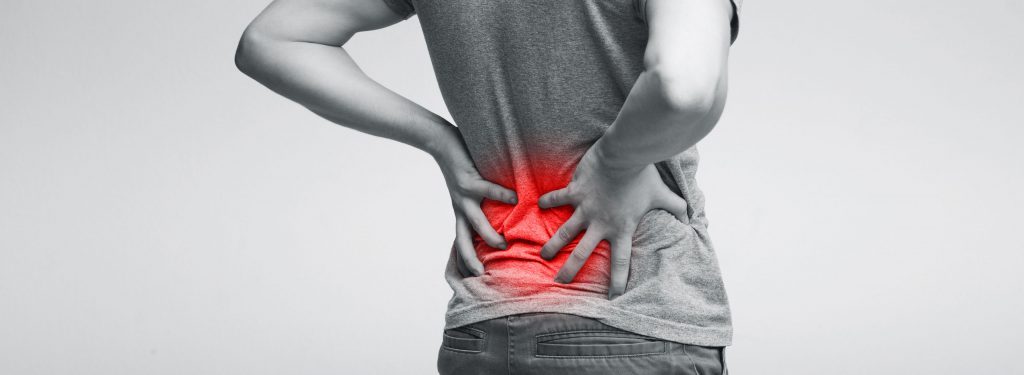
Soreness is typically a good thing for your body. If you’re sore after a workout, a practice or after a long day’s work, it means you put your body to the test. Muscles have been stressed and are in the process of repairing, which helps you become stronger and stay ready for the physical challenges that lay ahead. However, if you’re dealing with something more than just soreness, it could be a sign of a problem that warrants personal or professional attention.
But how can you tell if you’re dealing with normal spinal muscle soreness or a more serious issue? We take a look at some of the signs that you’re dealing with something more than just soreness in today’s blog.
Signs You’re More Than Just Sore
Soreness and symptoms of a minor injury can sometimes mirror one another. When you’re sore, you may have some general discomfort, some tightness, difficulty moving comfortably for a short period of time or some nominal swelling in the area. This can be a completely normal experience for an athlete who just ran for two hours during competition or someone who had a great workout at the gym. It may also be symptoms you experience if you tweak a muscle in your back or a disc begins to shift out of place. So how can you spot the difference between soreness and an injury? Some signs we recommend looking for include:
- Pain Instead Of Discomfort – It can be tough to differentiate between pain and soreness, but you’ve probably experienced both enough that if you really pay attention to your body, you can venture a guess as to what you are dealing with. Other times it’s more obvious, like pain in a new area or more discomfort than normal. Pain is the most obvious sign that you’re dealing with something other than just normal discomfort from sore back muscles.
- Radiating Discomfort – Muscle soreness tends to be somewhat isolated. You may notice this soreness when applying light pressure to a specific area of your back. With an injury, it’s not uncommon for symptoms to radiate to other areas of your body, especially if you’re dealing with an injury in your back. Many nerves traverse through your back en route to your arms and legs, and if they are damaged or compressed as a result of an injury, symptoms may radiate to your extremities.
- Discomfort That Persists Or Worsens – Even if you aren’t dealing with obvious symptoms of an injury and believe you’re just dealing with soreness, you’ll want to consider how your muscles and your back feel in the coming days. Soreness tends to feel the worst the day after the activity, typically right away in the morning before getting a bit better throughout the day. If soreness remains persistent a couple days after activity, or symptoms start to become more intense, it could indicate that you’re dealing with more than just soreness.
- New Non-Pain Symptoms – Pain is oftentimes an indicator of injury, but it’s not the only symptom that can develop when a structure is damaged. If you’re dealing with other symptoms that don’t typically occur when you’re sore after a workout – like numbness, a tingling sensation or gait abnormalities – your body could be trying to tell you that something is wrong. Listen to it if you notice these new non-pain symptoms.
If you’re dealing with symptoms that suggest there’s something more going on in your back than just general muscle soreness, talk to your doctor. The sooner the issue is identified, the simpler it will be to treat. Trying to push through the injury as if nothing is wrong can leave you susceptible to a much more serious injury, so don’t try to convince yourself that nothing is wrong when the signs suggest otherwise.
Let Dr. Sinicropi and the team at Midwest Spine & Brain Institute help you figure out what’s going on in your spine and set you up with an individualized care plan that ensures you fully overcome your spine injury so that you can get back to pursuing the activities that leave you feeling the good kind of sore. For more information, or for help addressing a different spinal issue, connect with Dr. Sinicropi and the team at The Midwest Spine & Brain Institute today at (651) 430-3800.
