Foraminal Spinal Stenosis By Location And Treatment Options
Category: Spine | Author: Stefano Sinicropi | Date: September 17, 2026
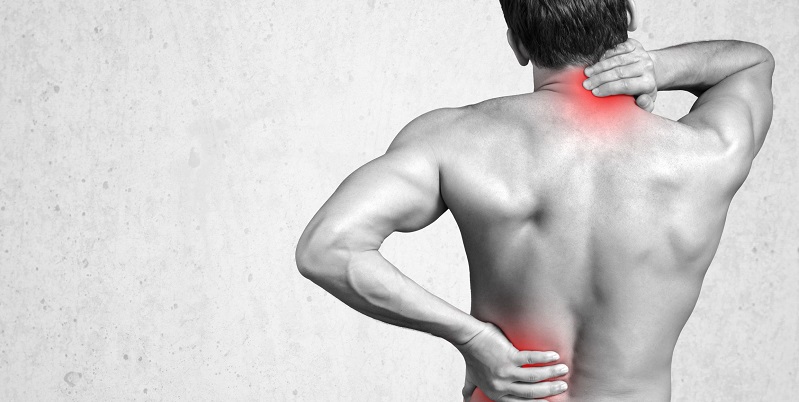
Although your spine is one long column, it’s typically categorized into three distinct sections. There’s the cervical spine, which is made up of the topmost seven vertebrae, your thoracic spine, comprising the middle 12 vertebrae, and the lumbar spine, which involves the five lowermost vertebrae. Different spinal issues can develop in each of these segments, leading to the onset of new symptoms and requiring a unique approach to care.
One of the more common issues that can affect these regions of the spine in an aging adult is a condition known as foraminal stenosis. The foramen are a portion of your vertebrae through which key spinal nerves pass through, and when these openings narrow, nerves can become compressed and symptomatic. What you experience and how the issue is treated will depend on where the impingement occurs. Below, we take a closer look at foraminal stenosis based on location and discuss some treatment options.
Formaminal Stenosis By Spinal Region
Let’s take a closer look at spinal foraminal stenosis based on the location of the nerve compression:
- Cervical Foraminal Stenosis – Cervical foraminal stenosis occurs when the foraminal narrowing develops in the upper portion of the spine, in or near the neck region. Stenosis in this region is typically categorized by pain, weakness or numbness in the neck, shoulder, arm, hands and fingers. Degenerative spinal discs and the development of irritating bone spurs are the most common causes of cervical foraminal stenosis.
- Thoracic Foraminal Stenosis – Foraminal stenosis in the thoracic spine is the least common of the three types of stenosis simply because this region is more stable than the flexible ends of our spine. This section of spine can better handle stress and is less mobile, meaning it’s less likely that natural foraminal openings will narrow. That said, it can certainly still develop, and patients with the condition may experience midback pain or discomfort that wraps around to the ribcage. This type of stenosis is more commonly brought on as a result of a previous injury instead of natural aging.
- Lumbar Foraminal Stenosis – The third type of foraminal stenosis is the lumbar variety, and it is the most common location for the condition to develop. Typically brought on as a result of natural aging, repetitive stress, traumatic changes like childbirth and poor posture habits, lumbar foraminal stenosis commonly presents with symptoms like pain or weakness in the hips, buttocks, legs or feet.
If you’re dealing with any of the symptoms across your spine, set up an appointment with a spine specialist like Dr. Sinicropi. He’ll assess your spine and confirm any nerve root compression with the help of a physical exam and imaging tests. Assuming foraminal stenosis is to blame, he’ll walk you through some different treatment options. Non-operative methods are typically the first line of defense, with patients pursuing weeks of targeted physical therapy paired with other complimentary treatments like anti-inflammatories, rest, stretching exercises and hot/cold therapy.
Most patients make enough progress that more hands-on care is not required, but if symptoms persist or worsen after weeks of conservative care, your specialist can discuss more aggressive options. A corticosteroid injection or minimally invasive decompression procedure can work wonders, but they do carry additional risks, so your doctor will have a conversation with you to ensure this is the best path for your unique needs and goals. Dr. Sinicropi has helped decompress countless impinged nerves, and he can do the same for you. For more information about foraminal stenosis, or for help overcoming a different spinal concern, give Dr. Sinicropi and the team at Midwest Spine & Brain Institute a call today at (651) 430-3800.
