The Benefits Of A Standing MRI For Spinal Conditions
Category: Spine | Author: Stefano Sinicropi | Date: September 18, 2026
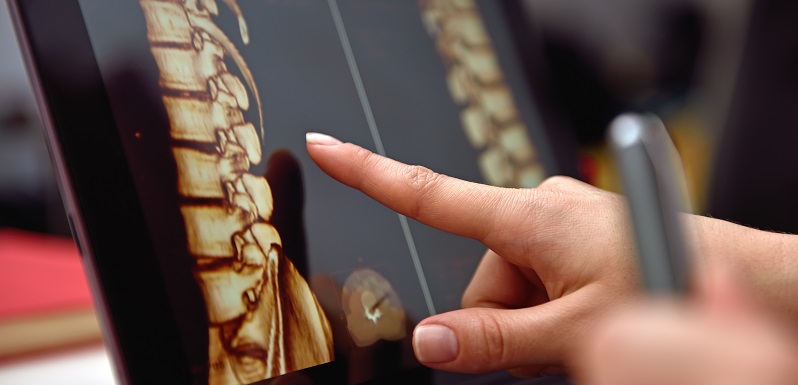
The standard magnetic resonance imaging (MRI) technique involves a patient lying down as they are guided into a machine that slowly uses magnetic waves to create a detailed rendering of soft tissues and bone inside the body. It is much more detailed than an X-ray, which is why it is preferred when smaller structures or soft tissues need to be examined as opposed to something like fracture detail that may be highlighted well with an X-ray.
MRIs are oftentimes used to help spine specialists learn more about a person’s back, but the standard MRI method may not be ideal for certain spinal issues. In these instances, and when the technology is available at the medical facility, doctors may recommend the patient undergo a standing MRI. As the name implies, the patient is secured and an MRI is taken while the patient is standing up, and this is beneficial for a number of reasons. Below, we explain some of the benefits of a standing MRI for identifying and treating spinal conditions.
Why Standing MRIs Can Help With Spinal Diagnoses
A standard MRI is typically quite effective at documenting issues in the spine, so don’t assume that you’re missing out on the best care because the doctor isn’t pushing for a standing MRI. They’ll still be able to view tissue tears and disc issues with a supine MRI, but there are some things that are better visualized on a standing spinal MRI, including:
- Bulging or disc herniations that worsen under the normal load of gravity
- Spinal stenosis and foraminal narrowing that occurs when standing
- Natural spinal misalignments
- Posture issues contributing to pain and discomfort
The fact of the matter is that the spine is a weight-bearing structure, and if your symptoms are worse when you’re standing or moving, it helps the doctor understand what you’re up against if they can visualize the spine when it’s in this upright position. When you’re standing up, joints will shift, discs compress and your alignment settles into a more natural position, and all of this information helps your doctor understand what type of forces are being felt across your spine and the impact these stress patterns are having on the body. Oftentimes spinal symptoms relieve a bit when you’re lying down and the spinal column isn’t under the natural stress of gravity, so a supine MRI may not show the full picture of what you’re up against.
For more information, or for help with a specific spinal concern, connect with Dr. Sinicropi today at (651) 430-3800.
