What Is A Lumbar Hemilaminectomy?
Category: Spine Surgery | Author: Stefano Sinicropi | Date: August 25, 2026
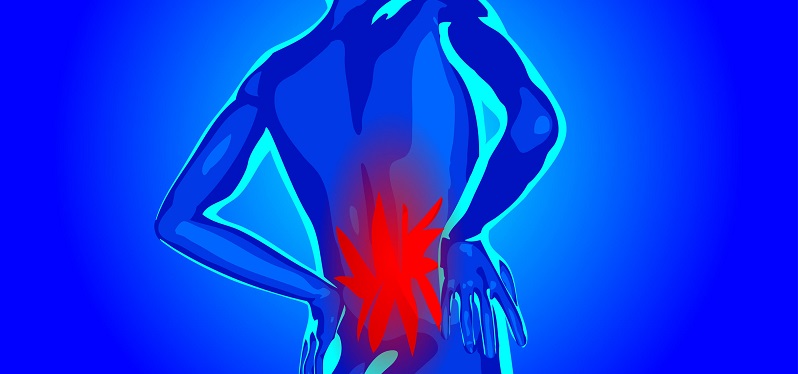
With most surgeries, the goal of the operation is to address the underlying issue while leaving as much natural structure intact as possible, and that’s especially true with a lumbar hemilaminectomy procedure. Unlike a standard laminectomy, which resolves nerve compression by removing a part of the vertebra called the lamina, a hemilaminectomy only removes a portion of the lamina, leaving more of the patient’s own spinal column in place. This offers the patient a few specific benefits, but not everyone with nerve compression is a candidate for this type of procedure. Below, we take a closer look at the lumbar hemilaminectomy procedure and who could benefit from it.
Lumbar Hemilaminectomy Candidates
A lumbar hemilaminectomy is typically considered when a patient is presenting with nerve pain that is not responding to traditional conservative techniques. Ideally, this nerve compression is limited to one side of their back. When discomfort is limited to one side of the back, it may suggest that there is less nerve compression than if a patient is experiencing pain across or throughout their back. One-sided back pain may mean that only a small portion of the offending bone needs to be removed in order to provide relief, and that’s exactly what a lumbar hemilaminectomy can provide.
Other symptoms that may suggest that someone could benefit from a lumbar hemilaminectomy include:
- Shooting discomfort
- Burning pain
- Tingling sensation
- Numbness
- Spinal weakness
If you’re dealing with the above symptoms and haven’t found relief through physical therapy or other conservative treatments, it may be time to have a conversation with your care provider to see if a hemilaminectomy could be right for you.
Preserve More Bone With A Lumbar Hemilaminectomy
The main benefit of a lumbar hemilaminectomy procedure is that it preserves more of the patient’s vertebra. Think of your spine like a Jenga tower. The more wooden blocks you remove, the less stable your spinal column becomes. A full laminectomy completely removes the lamina, and while the spinal column is still quite stable, it’s even more stable if only a portion of the lamina is removed like it is in a hemilaminectomy. You retain spinal stability and free the impinged nerve at the same time, it’s a win-win!
To perform the procedure, the surgeon places the patient under general anesthesia. With the patient lying on their stomach, the surgeon makes a small one-inch incision on the back above the offending vertebra. With the help of special instruments and imaging guidance, the surgeon carefully removes one of the two flat-arched bones that make up the laminae of a vertebral body. Once the offending lamina has been addressed, the surgeon removes their tools and closes the incision site. The patient is taken to a recovery room to shake off the effects of anesthesia, but most go home the same day.
You may experience some mild soreness around the incision site for the first few days after surgery, but walking and light activity will likely be encouraged to boost circulation and aid in recovery. Most patients begin physical therapy by the 2-4 week mark and can typically return to most daily activities and work duties by the 4-8 week mark, depending on their job duties. A return to more physical jobs or athletic activities may take additional time, but your doctor will provide individualized recommendations based on your personal goals and needs.
For more information about a spinal hemilaminectomy or other types of helpful surgical procedures, pick up the phone and call Dr. Sinicropi and the team at Midwest Spine & Brain Institute today at (651) 430-3800.
